




Lightened Flywheel Motronic BMW E28 E30 E34 325i 520i Z1 M20 Engine steel light
- ✓ 2.5 & 2.7 M engines with Motronic
- ✓ 228 clutch
- ✓ lightens 4.9 kg


€236.82*
- Express shopping
- Save your data and settings
- Order overview and shipping information
- Manage your newsletter subscription
- 19 Jahre Expertenwissen
Lightened high-strength chrome molybdenum flywheel with starter ring , suitable for all 2.5 and 2.7 M20 engines with Motronic / L-Jetronic
installed in:
- BMW 5er 525e ( E28 )
- BMW 3er 325i 325iX 325e ( E 30 )
- BMW 3er Touring 325i 325iX ( E30 )
- BMW 3er Cabrio 325i ( E30 )
- BMW 5er 525i ( E34 )
- BMW Z1 Roadster 2.5
Below in the matching accessories you will find the required Sachs Performance clutch pressure plate. Furthermore you can choose between the matching organic or racing Sachs Performance clutch disc.
Advantages of our lightened single mass flywheel:
- our flywheel weighs only 4,9 kg, the standard wheel over 12.0 kg
- all our flywheels are made of chrome moly steel with quality G 1.75, extremely suitable for high-speed motors
- recognized for unlimited HP
- significantly better acceleration due to less inertia
- the engine runs faster
- More direct response behaviour
- suitable for motorsports, racing or serial vehicles
- lower fuel consumption
- significant reduction of the turbo lag
- precision balancing, bearings are less affected
- including ring gear
- suitable for either a standard clutch or a high-performance clutch
- Our flywheels are registration-free as they have no direct effect on the actual performance.
Delivery:
- 1x erleichterte Chrom Moly Schwungscheibe für alle 2.5 und 2.7 M20 Motoren mit Motronic / L-Jetronic verbaut im BMW E28, E30, E34 und Z1
- Installation instructions
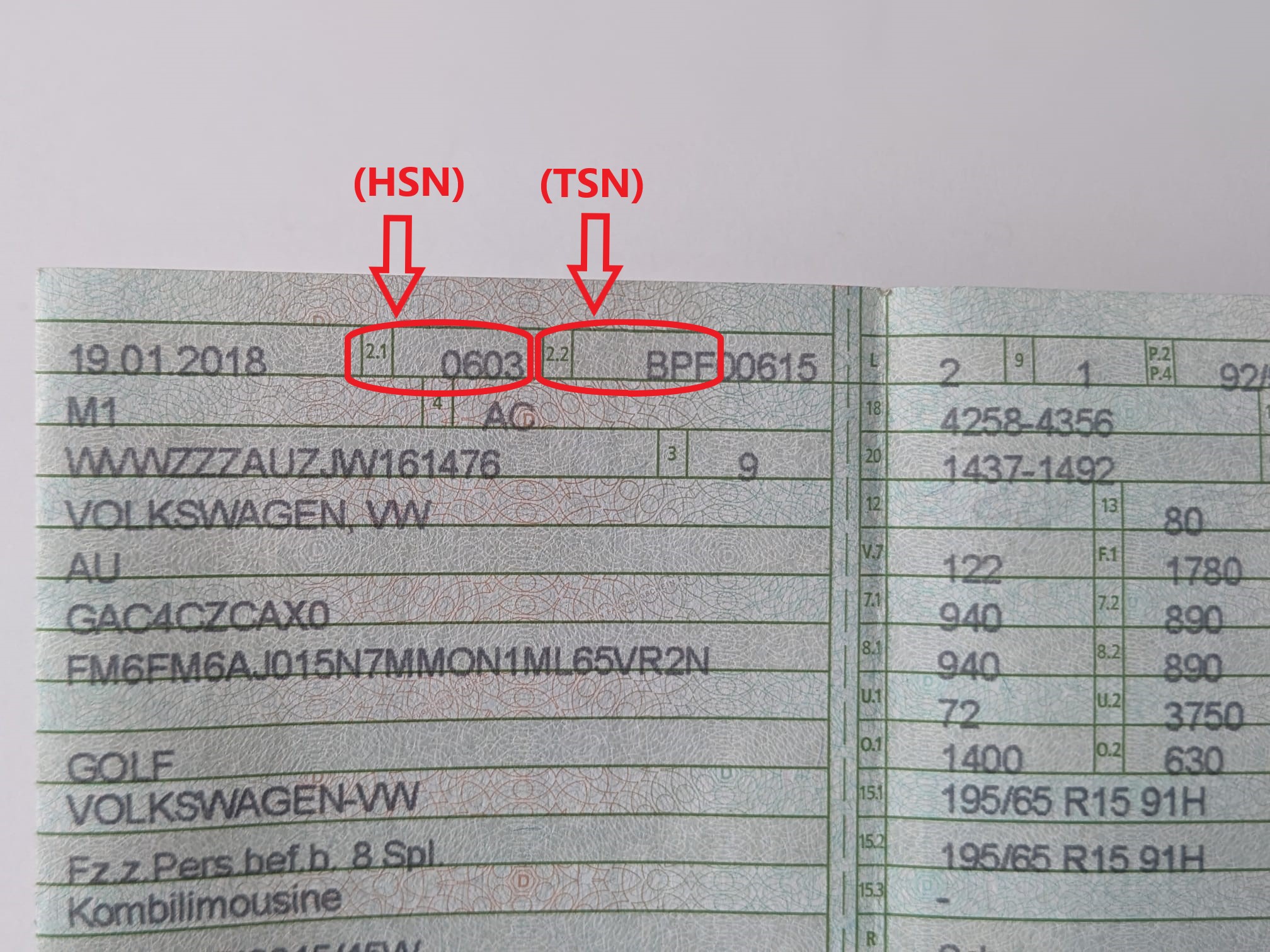
Our lightened flywheels are registration-free and therefore do not need to be registered.
Login
19 February 2026 09:59
seba531810
Order delivered on time with no issues
11 February 2026 22:35
shepp-uk2014
Order delivered on time with no issues
5 May 2026 13:14
polluxpower
Alles bestens, gerne wieder! Danke.
| Motor | Motorcode |
|---|---|
| 325i | E30|170PS(125KW) |
| 325i | E30|171PS(126KW) |
| Motor | Motorcode |
|---|---|
| 325i X | E30|170PS(125KW) |
| 325i | E30|170PS(125KW) |
| Motor | Motorcode |
|---|---|
| 325e 2.7 | E30|122PS(90KW) |
| 325e 2.7 | E30|129PS(95KW) |
| 325i X | E30|170PS(125KW) |
| 325i | E30|170PS(125KW) |
| 325i | E30|171PS(126KW) |
| 325i X | E30|171PS(126KW) |
| Motor | Motorcode |
|---|---|
| 525i | E34|170PS(125KW) |
| 525e | E28|129PS(95KW) |
| 525e | E28|125PS(92KW) |
| 525e | E28|122PS(90KW) |
| Motor | Motorcode |
|---|---|
| 2.5 | --|170PS(125KW) |
| Motor | Motorcode |
|---|---|
| 325i | E30|170PS(125KW) |
| 325i | E30|171PS(126KW) |
| Motor | Motorcode |
|---|---|
| 325i X | E30|170PS(125KW) |
| 325i | E30|170PS(125KW) |
| Motor | Motorcode |
|---|---|
| 325e 2.7 | E30|122PS(90KW) |
| 325e 2.7 | E30|129PS(95KW) |
| 325i X | E30|170PS(125KW) |
| 325i | E30|170PS(125KW) |
| 325i | E30|171PS(126KW) |
| 325i X | E30|171PS(126KW) |
| Motor | Motorcode |
|---|---|
| 525i | E34|170PS(125KW) |
| 525e | E28|129PS(95KW) |
| 525e | E28|125PS(92KW) |
| 525e | E28|122PS(90KW) |
| Motor | Motorcode |
|---|---|
| 2.5 | --|170PS(125KW) |

- ✓ BMW E36, E46, Z3, BMW E30
- ✓ 6.4mm thickness, 7.4mm thickness
- ✓ Steering gear

- ✓ 5x120 bolt circle
- ✓ Plug & Play
- ✓ BMW E30

- ✓ for 18mm tie rods
- ✓ BMW E39 520i, 530i, 528i.....
- ✓ 100% perfect fit

- ✓ Two-piece design
- ✓ different thicknesses
- ✓ many diameters

- ✓ Conversion bolt circle 5x120
- ✓ wheel hub E36 / E46
- ✓ front axle


- ✓ 5x120 bolt circle
- ✓ Plug & Play
- ✓ BMW E30

- ✓ 294x22 34119804828 Mini Countryman brake disc
- ✓ 1-piston 34111160352 / 34111160351 BMW E36/E46 320i-328i brake caliper
- ✓ front axle

- ✓ 340x30 34106797602 BMW F21/30/32 brake disc
- ✓ 4-piston 34116799465 / 34116799466 BMW F21 / 30 / 32 brake caliper
- ✓ front axle

- ✓ 0.5 degrees positive/negative
- ✓ 6mm thickness
- ✓ Suitable for BMW E30 E24 E28 E34 M3 S14


- ✓ excellent fit
- ✓ front axle BMW E30
- ✓ high stability

- ✓ excellent fit
- ✓ rear axle BMW E36
- ✓ high stability

- ✓ Suitable for all M50 M52 S50 and S52 engines
- ✓ High-strength aluminum
- ✓ Made in Germany

- ✓ 2x eccentric screw BMW E30 M12x95 high strength

- ✓ 294x19 34211165563 BMW E46 328i brake discs
- ✓ 1-piston 34211160399 / 34211160400 BMW E34 540i brake caliper
- ✓ rear axle

- ✓ 2.5 & 2.7 M engines without Motronic
- ✓ 228 clutch
- ✓ lightens 5.0 kg

- ✓ Oil pressure
- ✓ banjo bolt
- ✓ M12x1.5
Passendes Zubehör zusammen kaufen und sparen
- ✓ BMW E36, E46, Z3, BMW E30
- ✓ 6.4mm thickness, 7.4mm thickness
- ✓ Steering gear
- ✓ 5x120 bolt circle
- ✓ Plug & Play
- ✓ BMW E30
- ✓ for 18mm tie rods
- ✓ BMW E39 520i, 530i, 528i.....
- ✓ 100% perfect fit
- ✓ Two-piece design
- ✓ different thicknesses
- ✓ many diameters
- ✓ Conversion bolt circle 5x120
- ✓ wheel hub E36 / E46
- ✓ front axle
- ✓ 5x120 bolt circle
- ✓ Plug & Play
- ✓ BMW E30
- ✓ 294x22 34119804828 Mini Countryman brake disc
- ✓ 1-piston 34111160352 / 34111160351 BMW E36/E46 320i-328i brake caliper
- ✓ front axle
- ✓ 340x30 34106797602 BMW F21/30/32 brake disc
- ✓ 4-piston 34116799465 / 34116799466 BMW F21 / 30 / 32 brake caliper
- ✓ front axle
- ✓ 0.5 degrees positive/negative
- ✓ 6mm thickness
- ✓ Suitable for BMW E30 E24 E28 E34 M3 S14
- ✓ excellent fit
- ✓ front axle BMW E30
- ✓ high stability
- ✓ excellent fit
- ✓ rear axle BMW E36
- ✓ high stability
- ✓ Suitable for all M50 M52 S50 and S52 engines
- ✓ High-strength aluminum
- ✓ Made in Germany
- ✓ 2x eccentric screw BMW E30 M12x95 high strength
- ✓ 294x19 34211165563 BMW E46 328i brake discs
- ✓ 1-piston 34211160399 / 34211160400 BMW E34 540i brake caliper
- ✓ rear axle
- ✓ 2.5 & 2.7 M engines without Motronic
- ✓ 228 clutch
- ✓ lightens 5.0 kg
- ✓ Oil pressure
- ✓ banjo bolt
- ✓ M12x1.5