


Braided steel brake line Barkas disc brakes Brake conversion
- ✓ Length: 13cm
- ✓ M10x1 internal straight
- ✓ M10x1 external 45° connection
Braided steel brake line with parts certificate for the disc brake conversion to the Audi brake calipers on the rear axle of the Barkas.
Suitable for the rear axle of the following models:
- Barkas Bus
- Barkas Kasten
Advantages compared to original brake lines:
- No pressure loss when the brakes are applied, resulting in a noticeably more precise pressure point
- simple installation, the original line is simply replaced by the steel flex line
- No swelling as with rubber lines
- cost savings, as steel flex lines have an almost unlimited service life and do not need to be replaced every 3-5 years
- shorter braking distance
- marten safety
- incl. parts certificate for easy registration
- great optic
Technical data:
- Length: 13 cm
- Connection 1 M10x1 Straight internal thread
- Connection 2 M10x1 Male thread 45° connection
- Flare 90° our fittings are so-called hermaphrodites, which means that every connection fits regardless of whether it is concave or convex
Scope of delivery:
- 2x braided steel brake lines for Barkas
- incl. parts certificate for easy registration
We also produce customised sizes. With our steel flex brake line configurator (click here), you can configure your steel flex brake line according to your wishes. (length, colour and connections)
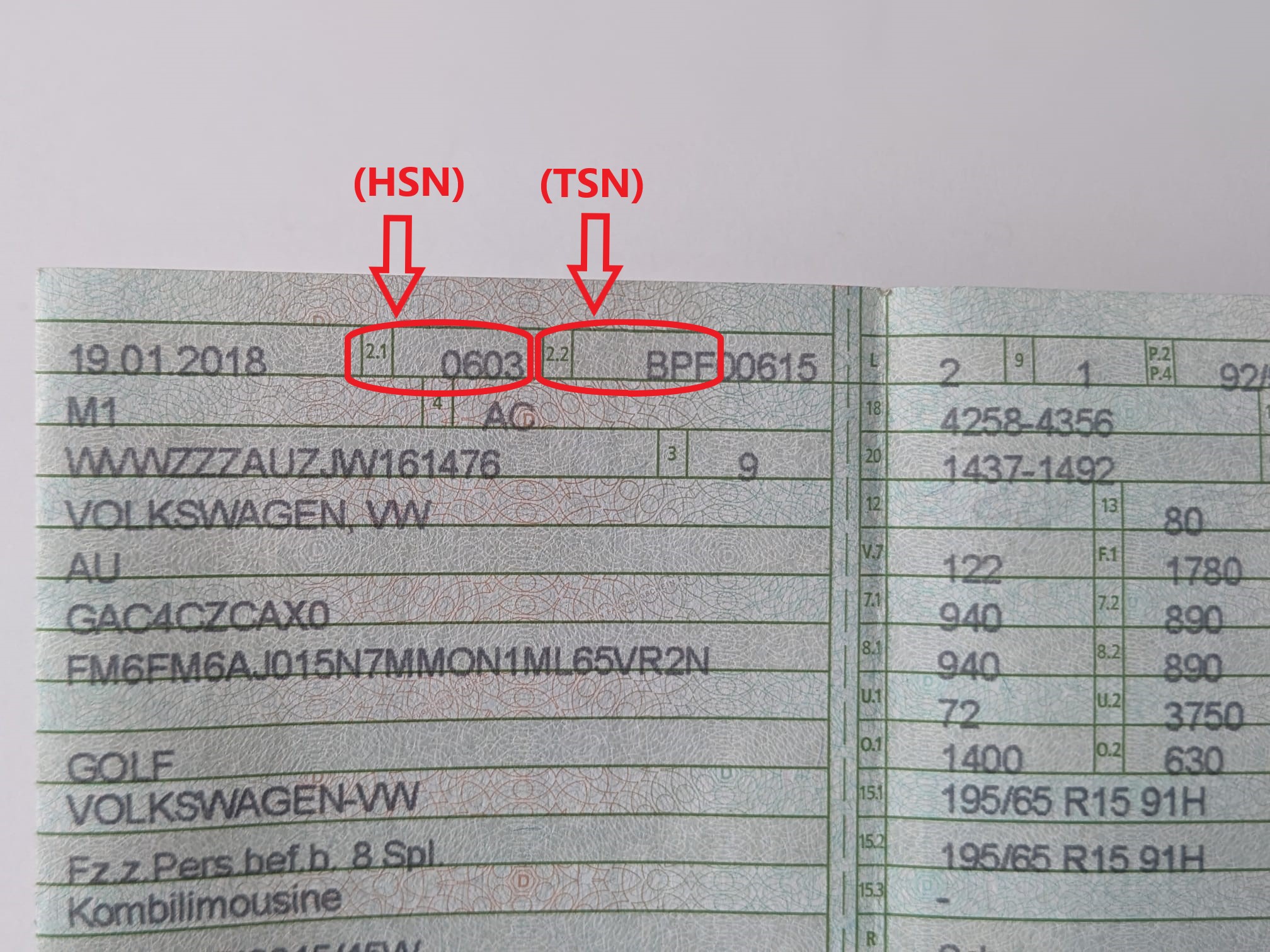
Please note that our articles have been designed for racing and motorsport. Use in public road traffic usually requires an individual approval in accordance with § 21 StVZO by an officially recognised expert. Further information can be found under TÜV Süd. For the individual approval, we will provide you with an expert opinion or material certificate, if available.
Login
- Does the steel braided line also fit other vehicles?
Yes – basically the braided steel line can also fit many other vehicles if the connection data matches. In practice, many manufacturers use very similar thread sizes for brake line fittings, so using them across different models is often possible.
What really matters
To ensure the line fits securely and tightly, you need to match three main points:
Thread size / connection
The key factor is what thread your vehicle has at the connection points (e.g., at the fixed line connection or brake caliper).
This thread size must match the fittings of the line.
Sealing surface (concave or convex)
Often, the problem is not the thread, but the sealing shape on the counterpart:
concave (valley) or
convex (hill)
Our fittings are so-called “hybrid” connections. This means: Each connection is designed to reliably seal with both concave and convex sealing surfaces. This makes the line significantly more versatile.
Length and routing
You need to determine the required length suitable for your vehicle (ideally as described above: fully extend, simulate routing, check steering).
Only if the line is long enough and can be routed cleanly is it truly suitable.
How to quickly check if it fits
Determine the thread size on the vehicle (and compare it with the data of the line)
Measure the line length
Check the technical data in the product description – there you will find all the details about the line and the connections.
- Two lens gaskets were supplied with the Steelflex lines. Where exactly are these installed?
The 2 lens seals are not automatically always installed, but only when they are needed to compensate for the sealing cone on the respective counterpart. Background: Depending on the vehicle/connection, there are different flaring or sealing shapes – and that's exactly why the lenses are always provided as a precaution.
What are the lens seals for?
They serve as a compensating piece when the cone on the connection (counterpart) does not perfectly match the steel braided hose. This ensures that the connection seals cleanly.
Where are they used?
If needed, the lens seals are placed directly into the connection with internal thread – that is, into the “female” fitting on the vehicle/distributor/brake caliper, before you screw in the hose.
The hose presses the lens into its seat when tightened, thus creating the seal.When do you need them – and when not?
F flare (DIN/ISO cone, usually fits):
→ Lens seals are not needed.
The hose usually seals directly over the matching cone here.E flare:
→ Lens seals must be used.
Simply place it into the internal thread, then screw in the hose and tighten as usual.
Installation note
The installation direction does not matter – you can install the lens either way, it makes no difference.